Thinking about selling your home in Centennial and not sure where to start? You are not alone. The market has shifted from rapid-fire bidding to a more measured pace, which means preparation and pricing matter more than ever. In this guide, you will get a clear, local step-by-step plan to price smartly, prepare efficiently, market well, and move from offer to closing with fewer surprises. Let’s dive in.
Know the Centennial market
Typical home values in Centennial sit in the low to mid 600s. The metro has moved from a hot seller’s market toward more balanced conditions, so buyers often have more time to evaluate before making offers. Seasonal slowdowns still appear late in the year, with activity picking up in spring. Local reporting shows year-over-year price growth has been flat to slightly down in many Denver submarkets, which puts the spotlight on accurate pricing and strong presentation on day one. You can see this shift in broader metro coverage from DMAR’s market reports and Denverite’s spring update.
Step 1: Decide when to sell
Spring is the busiest selling season across the Denver suburbs. New listings and buyer activity tend to spike from March through June, while winter holidays are quieter. Many Centennial buyers plan moves around the school calendar, so timing your launch for spring can help reach the widest audience. Centennial also has a high owner-occupancy rate and many mid-career professionals, which shapes buyer priorities and timelines, as outlined in the city’s data and demographics.
Step 2: Choose the right agent
Look for an advisor with a proven track record in Centennial neighborhoods and a clear plan for pricing, marketing, and negotiation. Ask for:
- A neighborhood-level CMA that uses recent closed sales and active inventory.
- A written marketing plan that includes professional photography, clear floor plans, and a showing strategy.
- Experience with Centennial’s common home features and HOAs.
Commission is negotiable and varies by service. Request a transparent breakdown of what is included so you can compare value alongside cost.
Step 3: Price it right from day one
In a balanced market, buyers skip overpriced listings and wait for reductions. Base your list price on:
- 3 to 6 recent closed comps within 30 to 90 days.
- Price per square foot adjusted for condition, lot, finish level, and updates.
- Active competition nearby and your home’s current condition.
If early traffic is soft in the first two weeks, review feedback and the data with your agent. A small, timely pivot is better than a long slide in days on market.
Step 4: Prepare the home
Aim for clean, bright, and move-in ready. Focus on:
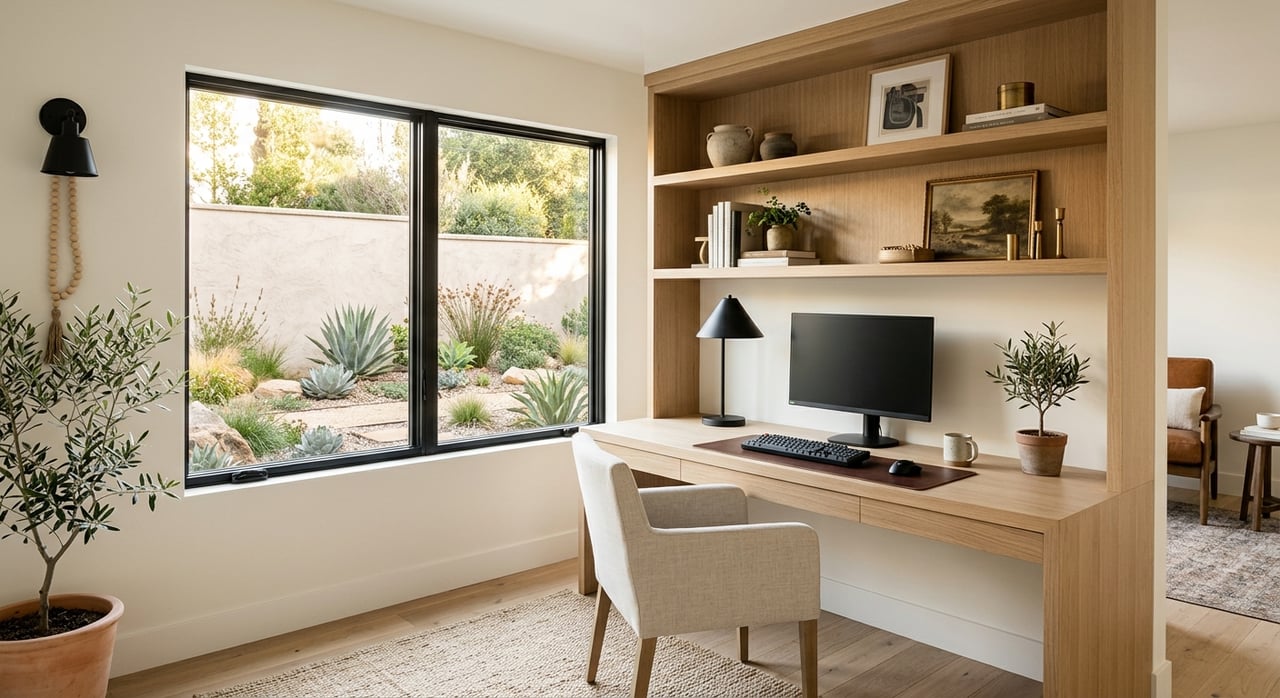
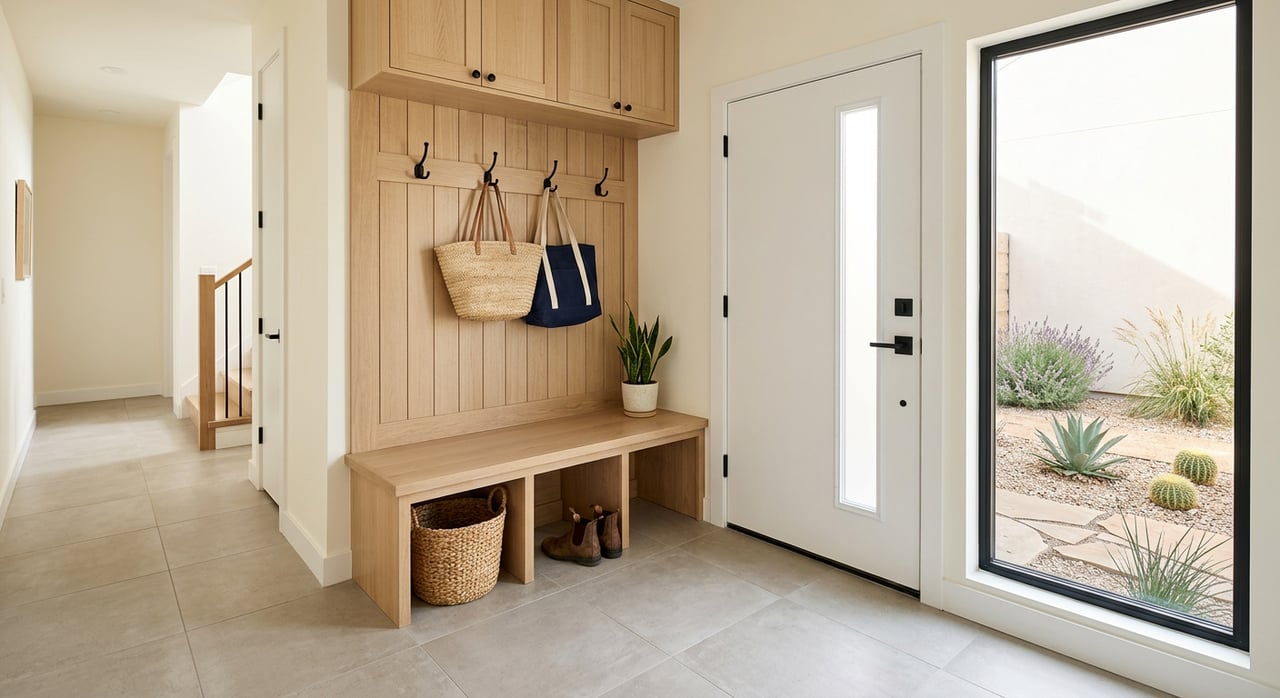
- Decluttering, deep cleaning, and neutral paint in high-traffic areas.
- Fixing obvious issues like leaky faucets, loose handrails, and broken tiles.
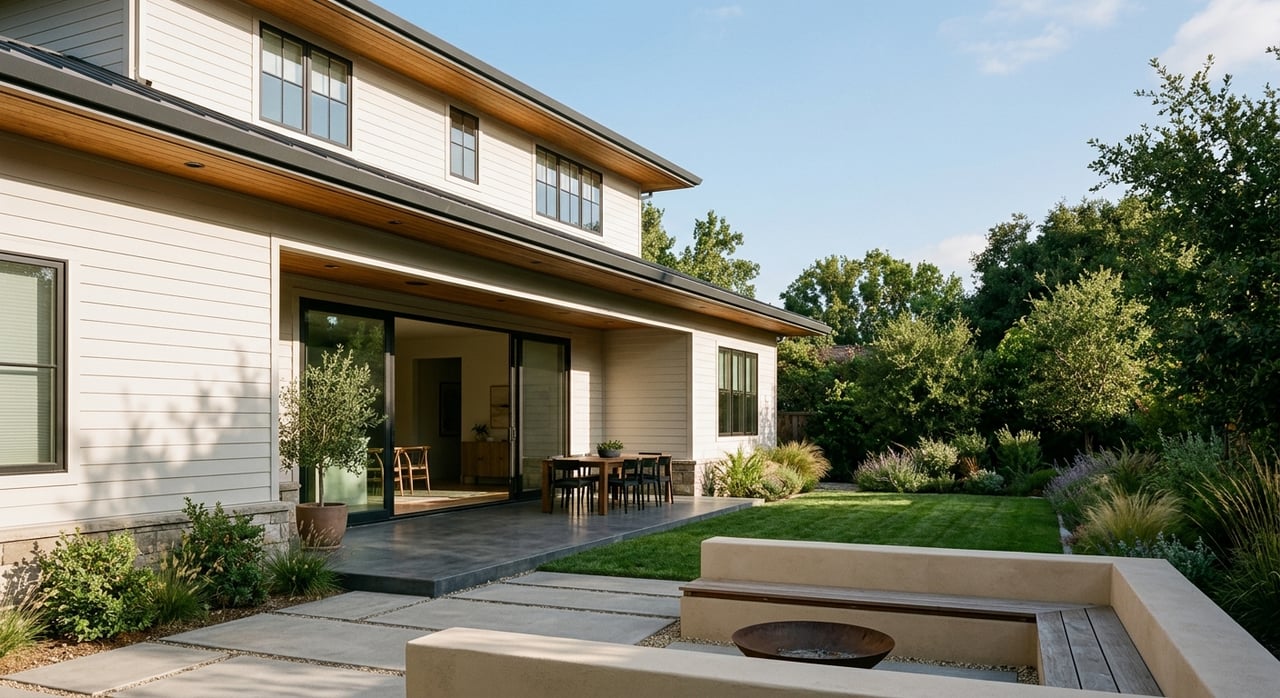
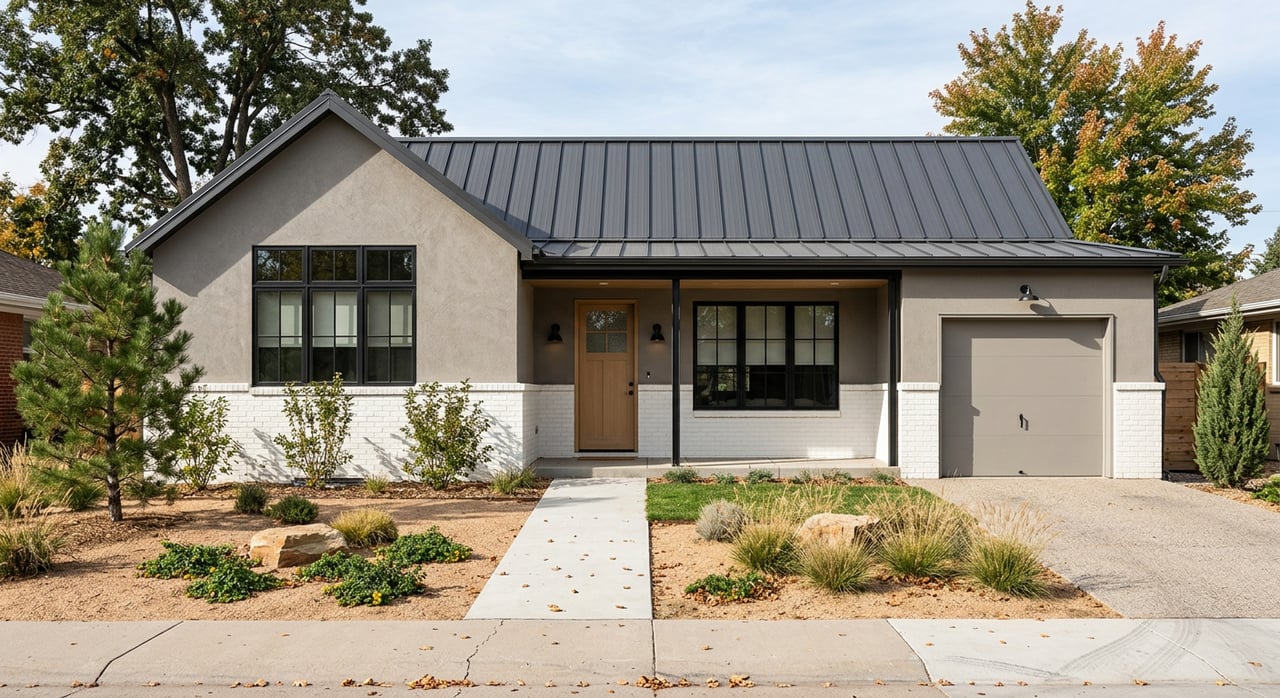
- Touching up exterior paint and landscaping for strong curb appeal.
Staging key rooms can shorten time on market and contribute to better offers, according to recent NAR research. Centennial also sits in Colorado’s hail corridor, so roof condition is a common buyer and insurer focus. If you suspect prior hail damage or do not have recent documentation, consider a professional roof inspection and keep repair or insurance records handy. Learn more about the region’s hail exposure from this Front Range overview on hail frequency.
Step 5: Launch smart marketing
Today’s buyers expect high-quality photography and clear listing details. Your marketing plan should include:
- Bright, well-composed photos that highlight space and natural light.
- A simple, accurate floor plan so buyers can picture how they will live in the home.
- A short, helpful property description that focuses on features and function.
3D tours can broaden reach for relocating buyers and those with tight schedules. Keep the home showing-ready for the first two weeks, when interest tends to be highest.
Step 6: Manage showings and open houses
Decide up front how you want to handle access and privacy. Back-to-back showings can be intense, so set a comfortable schedule. Open houses can create momentum, but your agent will weigh neighborhood norms, drive-by traffic, and security when recommending a plan.
Step 7: Evaluate offers and negotiate
Most Colorado contracts include clear deadlines for inspection, HOA and title review, appraisal, and loan approval. The inspection period is often set around a week to 10 days, but it is contract-specific. Expect buyers to request repairs or credits for safety, systems, or roof items.
Colorado law also requires specific disclosures. Sellers must disclose the property’s potable water source and provide radon information, including any known test results and the state radon brochure, under SB23-206. Review the state’s guidance on radon disclosure requirements and gather any prior test reports or mitigation details if available.
Step 8: From contract to close
Most financed sales in Colorado close in about 30 to 45 days, while cash deals can be faster. Timelines depend on appraisal turn times, title work, HOA documents, and the lender’s process. Set realistic expectations with your buyer for a smooth path to closing, and see this overview of Colorado closing timelines for context.
Typical seller costs include:
- Real estate commissions, which are negotiable.
- Mortgage payoff and any related fees.
- Documentary fee at 0.01 percent for each 100 dollars of consideration in Colorado.
- Title and escrow settlement fees.
- Arapahoe County recording fees, which are charged per document.
For details on state and county fees, review Colorado’s documentary fee calculation and recording framework. Your title company will provide exact figures and final prorations.
A practical timeline checklist
6 to 4 weeks before listing
- Interview agents and request a neighborhood CMA.
- Order a roof inspection if you suspect hail wear or prior storm claims.
- Gather HOA documents, warranties, manuals, and utility info.
3 to 2 weeks before listing
- Complete minor repairs and touch-up paint.
- Deep clean, declutter, and stage key rooms like the living room, kitchen, and primary bedroom. See NAR’s staging insights.
- Schedule professional photography and prepare for a possible 3D tour.
Listing week to week 2
- Launch the MLS listing with photos and a clear floor plan.
- Keep the home show-ready and monitor feedback in the first 10 to 14 days.
- Adjust quickly if data shows low engagement.
After accepting an offer
- Work through inspection requests within the contract deadlines.
- Provide any radon test results and the state brochure per SB23-206.
- Track appraisal, title, and HOA deliverables to protect the closing date.
Closing week
- Confirm payoff amounts and wire instructions with the title company.
- Complete buyer final walk-through items and gather keys, remotes, and codes.
- Sign documents and confirm recording and fee payments.
What affects your net proceeds
Your bottom line comes from sale price minus costs. Plan for:
- Negotiable commissions tied to the services you choose.
- Payoff of any mortgage or liens.
- The Colorado documentary fee of 0.01 percent per 100 dollars of sale price.
- Title, escrow, and per-document recording fees in Arapahoe County.
- Prorated property taxes and agreed credits.
Ask your agent and title company for a draft net sheet before you list and again after you accept an offer. Small decisions during prep and negotiation can add up to a meaningful difference in your net.
Local selling tips
- Speak to buyer priorities you often see in Centennial: practical layouts, garages, finished basements, yard space, and access to parks and trails.
- Mention school district assignments factually in your materials. Parts of Centennial feed into different districts, which some buyers consider during spring moves. Keep language neutral and stick to public information.
- Highlight recent big-ticket updates that reduce buyer risk, such as roof age, HVAC, and window improvements.
Selling should feel clear and manageable. If you want a calm, step-by-step plan tailored to your property and timing, connect with Abram Sloss to map out your best path.
FAQs
How is the Centennial market performing for sellers?
- Centennial has shifted toward a more balanced market with measured buyer timelines and flat to modest price changes in many Denver submarkets, so strong pricing and presentation are key.
When is the best time to list a Centennial home?
- Spring typically brings the most buyers and new listings across the Denver suburbs, while winter is slower, so many sellers time prep for a spring launch.
What Colorado disclosures must Centennial sellers provide?
- You must disclose the potable water source and provide radon information, including known test results and the state brochure required by SB23-206.
How long does closing usually take in Colorado?
- Most financed sales close in about 30 to 45 days, depending on appraisal, title, HOA documents, and the lender’s process; cash deals can be quicker.
What closing costs should Centennial sellers expect?
- Typical costs include negotiable commissions, mortgage payoff, Colorado’s 0.01 percent documentary fee, title and escrow charges, per-document Arapahoe County recording fees, prorated taxes, and any agreed credits.