If you are getting ready to sell in Littleton, it is easy to wonder where to spend money and where to stop. In a market where buyers still move quickly but pay close attention to condition and presentation, the goal is not to do everything. It is to make smart, confidence-building updates that help your home show well and protect your equity. Let’s break down how to get your Littleton home ready to sell wisely.
Why smart prep matters in Littleton
Littleton is a mature, owner-heavy market with many established homes. U.S. Census data shows a 61.2% owner-occupied housing rate and a median owner-occupied home value of $630,600, which helps frame the stakes for sellers who want to make thoughtful decisions.
It is also a market where presentation still matters. Recent 2026 snapshots showed a median sale price of $629,123 on Redfin, while Realtor.com reported a median listing price of $649,999, 36 median days on market, a 99% sale-to-list ratio, and 249 homes for sale in May 2026. Those sources track different parts of the market, but together they suggest that pricing and prep still influence results.
Many Littleton homes were built during growth periods from the 1950s through the 1970s, with a mix of original character and later updates. That means buyers are often comparing homes based not just on size or location, but on how well each property has been maintained and how move-in ready it feels.
What Littleton buyers notice first
Littleton has strong lifestyle appeal tied to walkability, downtown access, light rail, and more than 200 miles of trails. Before buyers even enter your home, they are already forming impressions based on the exterior, the path to the front door, and the overall sense of upkeep.
Once they step inside, those first few minutes matter a lot. National staging research found that 83% of buyers’ agents said staging made it easier for buyers to visualize a property as a future home. The same research found that 49% said staging reduced time on market, and 29% said it increased the dollar value offered by 1% to 10%.
Buyers also notice what feels off right away. Common turnoffs include lingering odors, clutter, dark rooms, dirty bathrooms, packed closets, messy garages, and signs of deferred maintenance like peeling paint, rotted wood, loose gutters, foggy windows, or leaky fixtures.
Focus on visible, practical improvements
When you want to sell wisely, big remodels are usually not the first answer. The strongest pre-sale improvements tend to be modest, visible, and broadly appealing rather than highly personalized.
According to the 2025 Remodeling Impact Report, painting was the top agent-recommended project, along with a new roof if needed. The report also noted that buyers are less willing to compromise on condition, which makes visible upkeep more important than ever.
Smaller projects can also perform well. NAR identified strong resale value in projects like a new steel front door, a new fiberglass front door, and closet improvements. In the Denver metro area, the 2024 Cost vs. Value report showed especially strong recoup rates for garage door replacement, steel entry door replacement, and manufactured stone veneer.
That does not mean every seller should replace doors or start exterior projects. It means visible improvements that signal care and reduce buyer objections often deliver more value than expensive kitchen or bath remodels done right before listing.
The best places to spend money
If you want a practical filter, spend where the change helps your home feel clean, cared for, and easy to live in. In Littleton, that often means simple improvements that work across many home styles and ages.
Fresh paint and touch-ups
Fresh paint in neutral colors is one of the safest updates you can make. It brightens rooms, photographs well, and helps buyers focus on the space instead of wear and tear.
Touch up trim, doors, baseboards, and scuffed walls as needed. In established homes, these details can quietly shape whether buyers see the home as well maintained or as a future project list.
Lighting and brightness
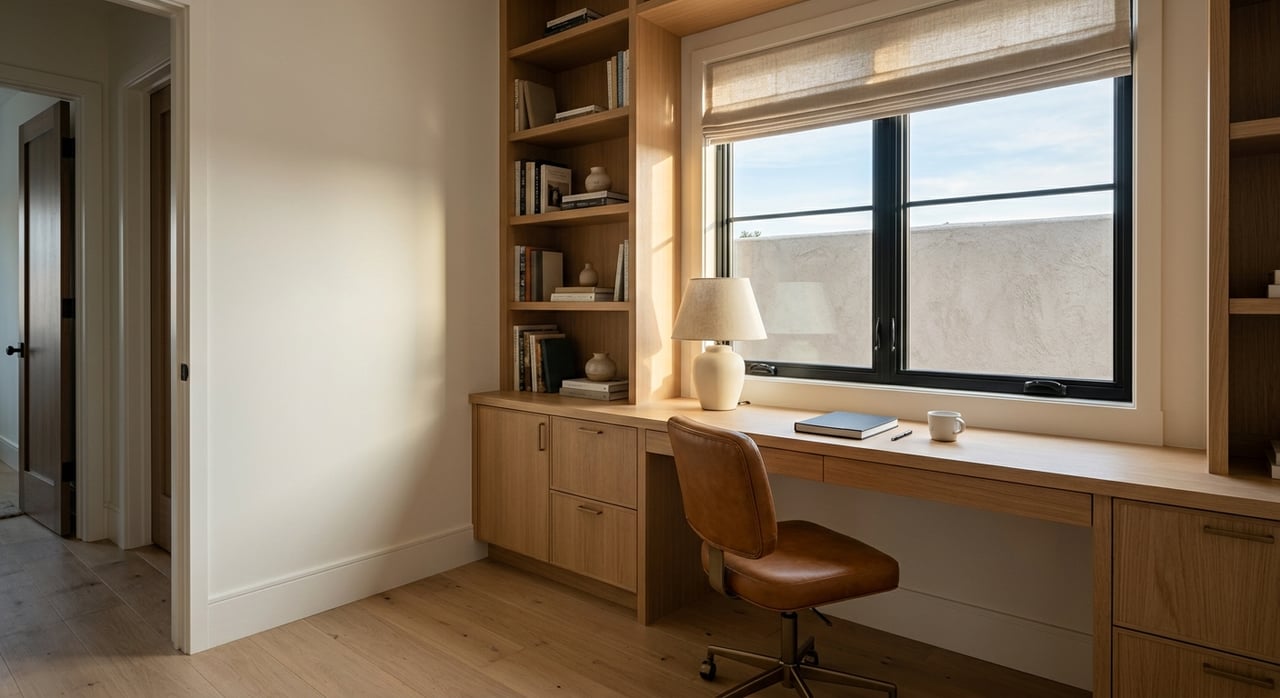
Dark rooms can feel smaller and less inviting. Functional lighting, clean fixtures, and bright bulbs can make a noticeable difference without a major investment.
Open blinds, clean windows, and make sure each room feels naturally bright where possible. Buyers tend to respond well to homes that feel fresh and easy from the moment they walk in.
Curb appeal and the entry
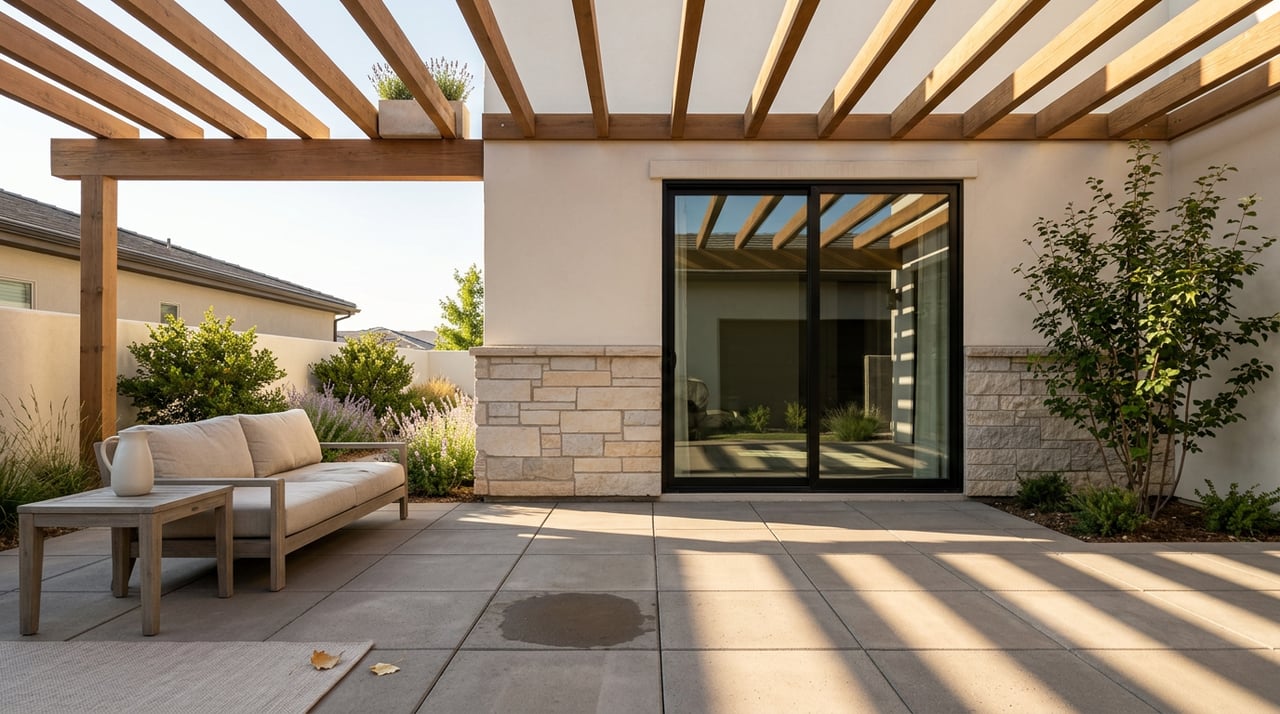
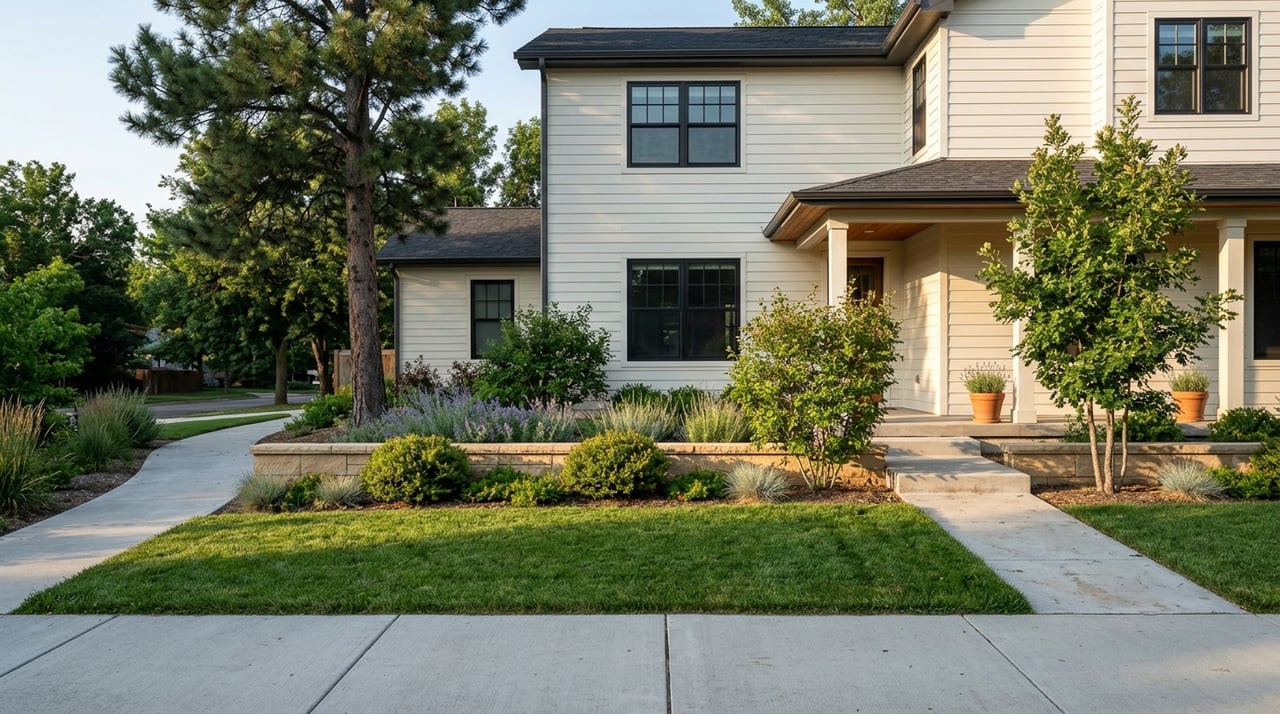
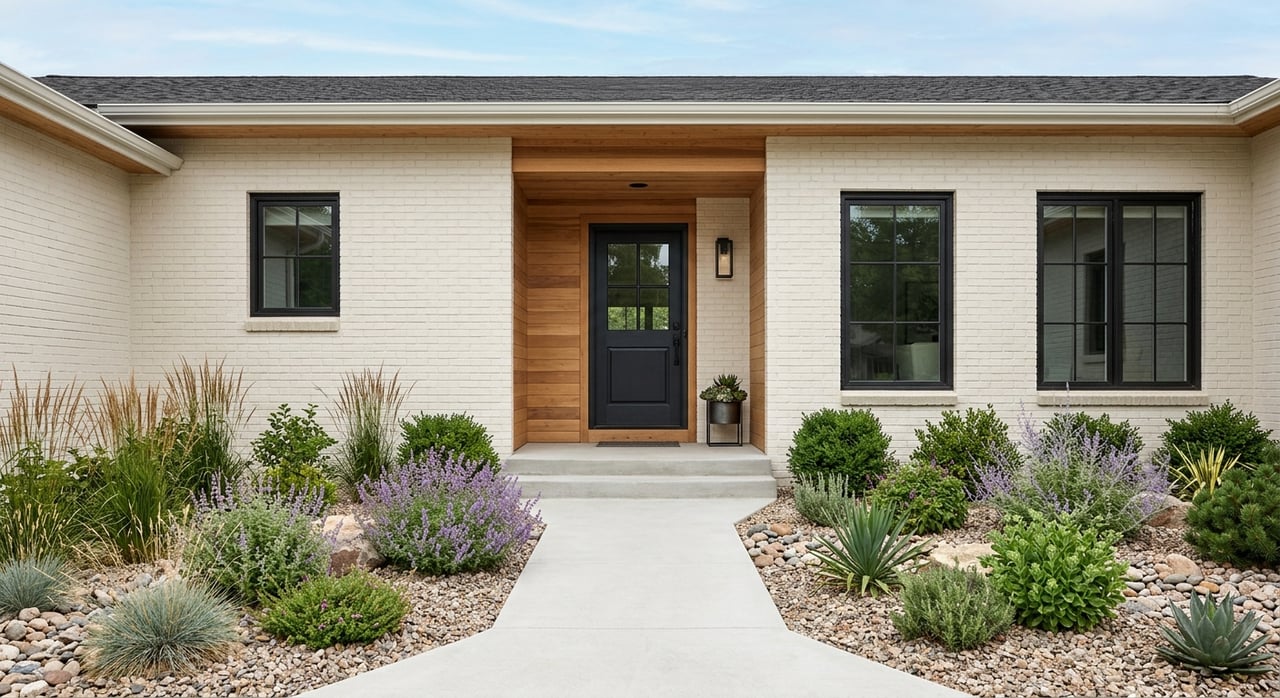
Your front exterior sets the tone for the showing. Trim landscaping, sweep walkways, clean up the porch area, and make the entry feel tidy and welcoming.
If your front door, garage door, or visible trim looks worn, those can be worthwhile areas to address. Denver-area cost-recovery data supports the idea that exterior improvements often outperform larger interior overhauls when resale is the priority.
Visible maintenance issues
If something looks broken, buyers may assume other issues are hiding too. Fix leaky fixtures, loose hardware, peeling paint, damaged trim, and anything else that signals deferred maintenance.
This step is less about perfection and more about trust. A home that feels cared for can make buyers more comfortable with the overall condition.
Where to be careful about overspending
Not every update is worth doing before you sell. If you pour money into taste-specific finishes or major remodels, you may not recover the cost, especially if the work reflects your preferences more than broad buyer appeal.
Be cautious with projects like full kitchen remodels, luxury bathroom overhauls, or bold design changes done just for listing. These can be expensive, disruptive, and hard to price back into the sale unless the home has a very specific positioning strategy.
In many cases, buyers respond better to a home that is clean, functional, and honestly presented than one with rushed, high-cost renovations. Selling wisely often means removing objections, not chasing trends.
A step-by-step prep plan
A clear sequence can keep the process manageable and reduce stress. This is especially important if your current sale will help fund your next move.
NAR reports that 43% of homeowners say remodeling, repairs, and maintenance are stressful. A focused plan helps you stay practical and avoid spending energy in the wrong places.
1. Declutter and deep clean
Start by removing extra furniture, personal items, and anything that makes rooms feel crowded. Clean every room thoroughly, including baseboards, floors, bathrooms, kitchen surfaces, and windows.
Packed closets and messy storage areas can work against you. Buyers open doors, and they tend to read cramped spaces as a storage problem rather than a belongings problem.
2. Remove odors and distractions
Lingering smells can quickly turn buyers off. Address pet, cooking, smoke, or musty odors at the source rather than trying to mask them.
Also tone down highly personal decor where possible. You want buyers to picture themselves in the home, not feel like they are walking through someone else’s life.
3. Refresh paint and lighting
After the home is cleared out, the next easiest wins often come from paint and brightness. Touch up worn areas, replace burned-out bulbs, and make sure lighting is consistent and warm.
These updates are relatively simple, but they help the home feel more polished in person and in photos.
4. Fix visible maintenance items
Walk through your home like a buyer would. Look for drips, sticking doors, damaged caulk, loose gutters, chipped trim, or foggy windows.
Tackle the issues that are easy to see and easy to interpret as neglect. Even small repairs can improve confidence.
5. Improve curb appeal
Next, focus outside. Mow, edge, trim, sweep, and remove anything that makes the exterior feel busy or tired.
Because Littleton buyers often value outdoor access, walkability, and lifestyle convenience, a clean and welcoming exterior helps reinforce the experience before the showing fully begins.
6. Stage key spaces
You do not need to stage every corner of the house. Focus on the main living areas, primary bedroom, kitchen, and bathrooms.
The goal is to show scale, function, and flow. Since 83% of buyers’ agents say staging helps buyers visualize the property as a future home, this is one of the clearest ways to support a strong showing.
7. Use honest photography
Listing photos should present your home well, but they should still match reality. Over-edited or misleading photos can create disappointment when buyers arrive in person.
That letdown can hurt momentum, even if the home itself is solid. Accurate presentation helps attract buyers whose expectations line up with what they will actually see.
Why this matters for your next move
For many sellers, this is not just about one transaction. NAR’s 2025 Profile of Home Buyers and Sellers found that the typical seller had owned their home for 11 years, and among repeat buyers, 54% used proceeds from a previous home sale to help finance the next purchase.
That makes pre-sale prep a financial decision as much as a cosmetic one. The right plan can help you protect equity, reduce friction during showings, and move forward with more confidence.
In Littleton, wise prep usually means keeping your focus narrow and purposeful. Clean deeply, fix what buyers will notice, improve curb appeal, and spend where the result supports comfort, trust, and resale.
If you want help building a prep plan that fits your home and your goals, Abram Sloss offers a calm, consultative approach focused on long-term value and clear next steps.
FAQs
What are the best updates before selling a home in Littleton?
- The safest updates are usually fresh neutral paint, deep cleaning, lighting improvements, curb appeal work, and fixing visible maintenance issues.
Should you remodel your Littleton kitchen before listing?
- In many cases, no. If the goal is to sell wisely, modest, visible improvements often make more sense than a major, taste-specific remodel.
How important is staging when selling a home in Littleton?
- Staging can be very helpful. National research found that 83% of buyers’ agents said staging made it easier for buyers to visualize a property as a future home.
What do buyers notice first during a Littleton home showing?
- Buyers often notice curb appeal, entry presentation, odors, clutter, lighting, cleanliness, and visible signs of deferred maintenance right away.
How can you avoid overspending before selling a Littleton home?
- Focus on repairs and updates that improve condition, cleanliness, brightness, and first impressions. Avoid expensive upgrades that are highly personalized or unlikely to reduce buyer objections.
Why does honest listing photography matter for Littleton sellers?
- Honest photos help set accurate expectations. If listing images look much better than the home feels in person, buyers may feel disappointed when they arrive.